Burberry Nova Check Authentication Guide
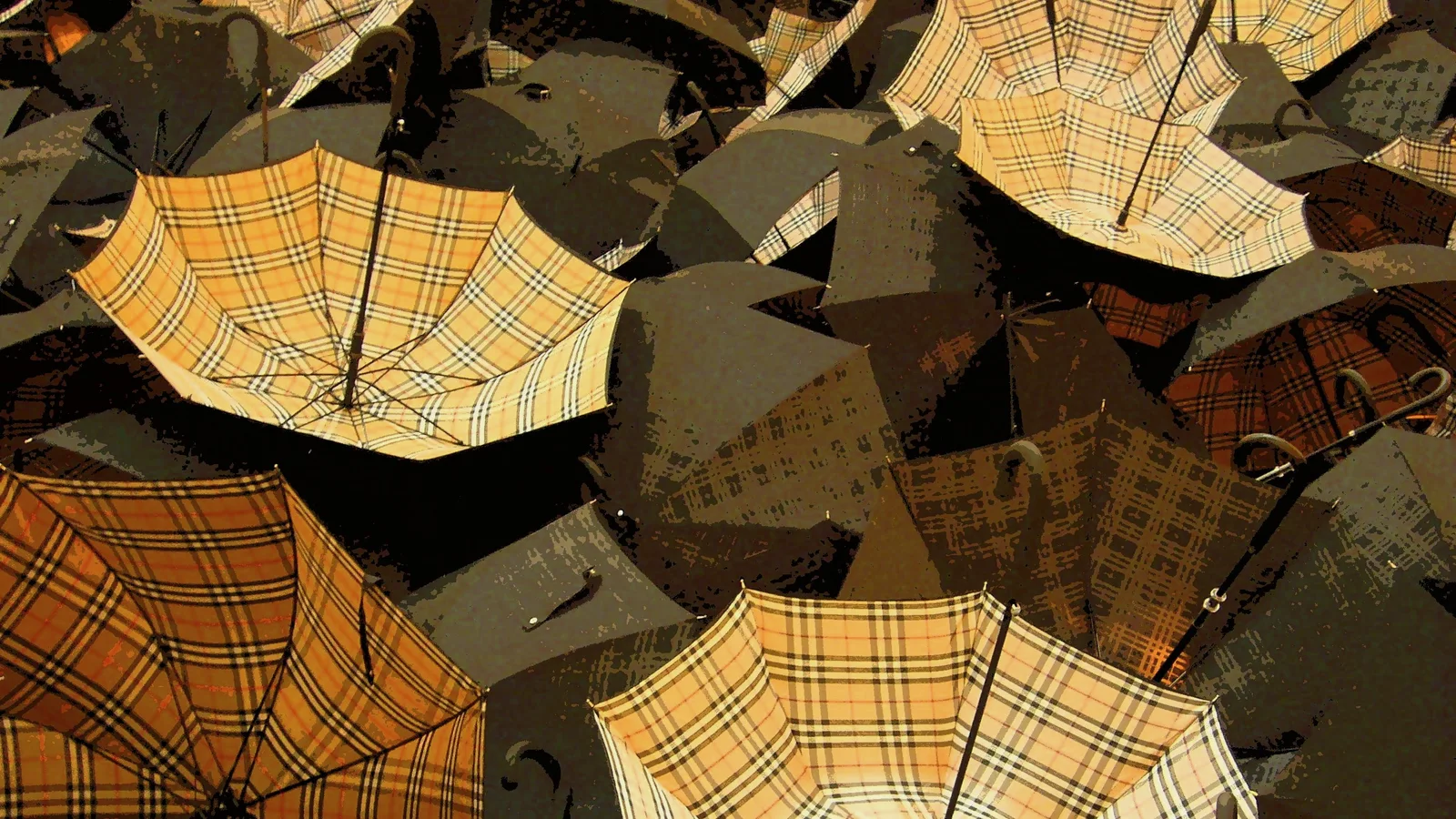
The Nova check is both Burberry's most iconic visual element and its most counterfeited. Millions of fake scarves, bags, and garments carrying approximate versions of the pattern have flooded markets over the decades. This guide gives you the tools to distinguish the real pattern from copies through colour analysis, geometry, construction, and material.
A Brief History of the Nova Check
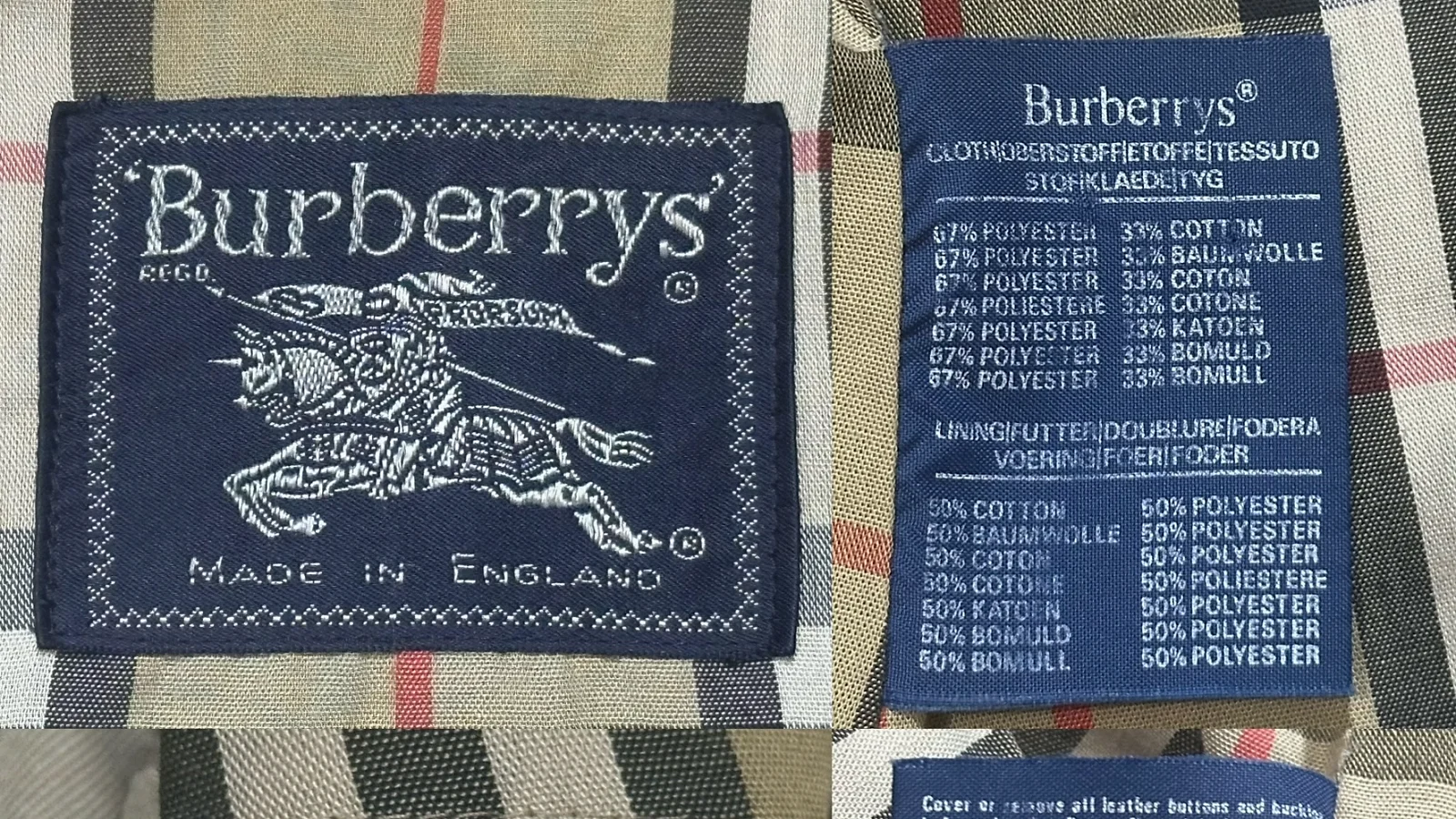
The Nova check was not a marketing invention — it grew organically from a functional need. Introduced in the 1920s as the lining of the gabardine trench coat, the pattern was initially hidden from view, seen only when a trench was unbuttoned or held open. The distinctive camel-ground tartan became a private signature between Burberry and its customers.
It wasn't until the 1960s and 1970s that the check began appearing outwardly on accessories — particularly scarves — and by the 1980s it had become the brand's most visible motif, appearing on handbags, luggage, and outerwear. The pattern's late emergence into public view is part of why vintage Burberry linings are sometimes more interesting than contemporary pieces where the check was applied more liberally.
The Four Exact Colours
The Nova check is defined by four specific colours in specific proportions:
- Camel / tan: The ground colour. This is a warm, medium-toned tan — not orange, not yellow, not sandy beige. It has unmistakable warmth but without veering into rust or amber. On genuine pieces this colour is consistent and rich.
- Black: True black, appearing as thick stripes on both vertical and horizontal axes.
- Red: A specific mid-tone red — not scarlet, not crimson, not tomato. Closer to a classic British pillar-box red. Appears as thinner stripes interspersed with the black.
- White: Clean white, appearing as the thinnest accent stripes. On worn pieces this may appear slightly creamy but should not be grey or dingy yellow.
The proportions and spacing of these four colours are precise. The black stripes are the thickest; the red stripes are medium; the white stripes are the thinnest. The ground camel fills the spaces between. Any imbalance in these proportions is a tell.
Pattern Geometry: Grid Spacing and Stripe Widths
Genuine Nova check has a consistent, measurable geometry. The pattern repeats at regular intervals — you can fold a piece and the repeats should align. The grid is visually balanced: neither cramped nor stretched.
Common geometric fakes tells:
- Compressed or elongated pattern: The repeats are the wrong size — either too small (making the pattern look busy and small-scale) or too large.
- Uneven stripe widths: The relative widths of camel/black/red/white vary incorrectly from the authentic proportions.
- Irregular spacing: The stripes are not precisely parallel or evenly spaced.
The Seam Alignment Rule
This is the single most reliable quick test for fabric-based pieces: on genuine Nova check garments, the pattern aligns across seams, pockets, and seam joins.
Cut a piece of genuine Nova check and sew it together, and the continuous pattern will be interrupted at the seam. To make it realign, the manufacturer must cut fabric carefully and match the repeat at every seam. This requires skill and wastes some fabric — two reasons manufacturers don't do it unless they are committed to quality.
Counterfeit garments almost never achieve full seam alignment because:
- It requires more material and time.
- It requires precise cutting that mass-production counterfeiters skip.
Check: pocket flaps should align with the coat body beneath them; side seams should show the pattern continuing across the join; sleeve seams should align with the body panel.
Weave Density and Texture
Genuine Burberry Nova check fabric — whether wool for a scarf or cotton for a lining — is tightly woven and has body. When you handle a genuine piece, the weave should feel dense and slightly firm. The dye lines between colours are sharp because the weave is tight enough that threads don't bleed.
Counterfeit tells:
- Loose or soft weave: The pattern feels limp; the fabric drapes loosely rather than holding shape.
- Blurry dye lines: Where the camel meets the black or red, the boundary is fuzzy rather than crisp. This indicates either screen printing (not weaving) or a loose weave where threads migrate.
- Wrong texture: Some fakes use printed fabric rather than woven — you can often tell by holding the fabric up to light and looking at the reverse side. Printed fabric has colour only on the surface; woven fabric has colour through the thread.
Colour Accuracy: Common Fake Tells
Colour matching is harder than it looks to do cheaply:
- Wrong camel tone: The most common failure. Fake camel is often too orange (or sometimes too yellow). The genuine tone is warm but neutral.
- Wrong red: Fakes frequently use a brighter, more orange-red or a darker wine red. The genuine colour is a specific, relatively saturated mid-red.
- Faded or inconsistent white: Genuine white stripes are clean and even. Fakes often show uneven printing or a grey cast.
- Overall colour saturation: Genuine pieces have a certain depth to the colours — even with age and washing. Cheap fakes often look flat or garish.
Haymarket Check vs Nova Check
Not all Burberry tartan is Nova check. The Haymarket check (sometimes called the "House check") is a different, older Burberry pattern:
- Haymarket: A larger-scale tartan with a different colour balance — more muted overall, with different stripe proportions. The base ground is more muted tan.
- Nova check: The classic four-colour pattern described throughout this guide.
Both are genuine Burberry patterns. A Haymarket check piece is not inferior — but you should know which pattern you are looking at. Sellers sometimes confuse the two, and fakes occasionally claim "Nova check" while actually using a Haymarket-adjacent layout.
Accessories vs Garments: Where Fakes Concentrate
By volume, scarves are the most faked Burberry item because:
- They are the most visible Burberry accessory.
- They are relatively simple to produce a visual facsimile of.
- The price point (hundreds of pounds for genuine cashmere) makes the margin attractive for counterfeiters.
For scarves specifically: check the fringe (hand-rolled vs machine vs glued), the label sewing (should be invisible stitching on the reverse, not glued), and the hand-feel weight. A genuine cashmere Burberry scarf has substantial weight and warmth; fakes are often thin and cold-feeling.
The Fabric Fold Test
Genuine tightly-woven Nova check wool or gabardine holds shape when folded — the fold is crisp and the fabric returns to flat without prolonged pressing. Cheap printed fabric crumples and creases in an uncontrolled way and doesn't return to flat.
This is not definitive on its own (some genuine older pieces have relaxed somewhat), but a piece that crumples like tissue paper and stays creased is a red flag.
Every item in our shop has been checked against these authentication criteria. Listings include close-up pattern photography. Browse the collection and buy with confidence.